At a time of adult anxiety and junk science around “screens,” it is worthwhile to take a few moments and consider that there is/was a compelling model for using personal computers to supercharge learning, empower individuals, and amplify human potential in a manner that sustains democracy. Best of all, a girls’ school led that revolution.
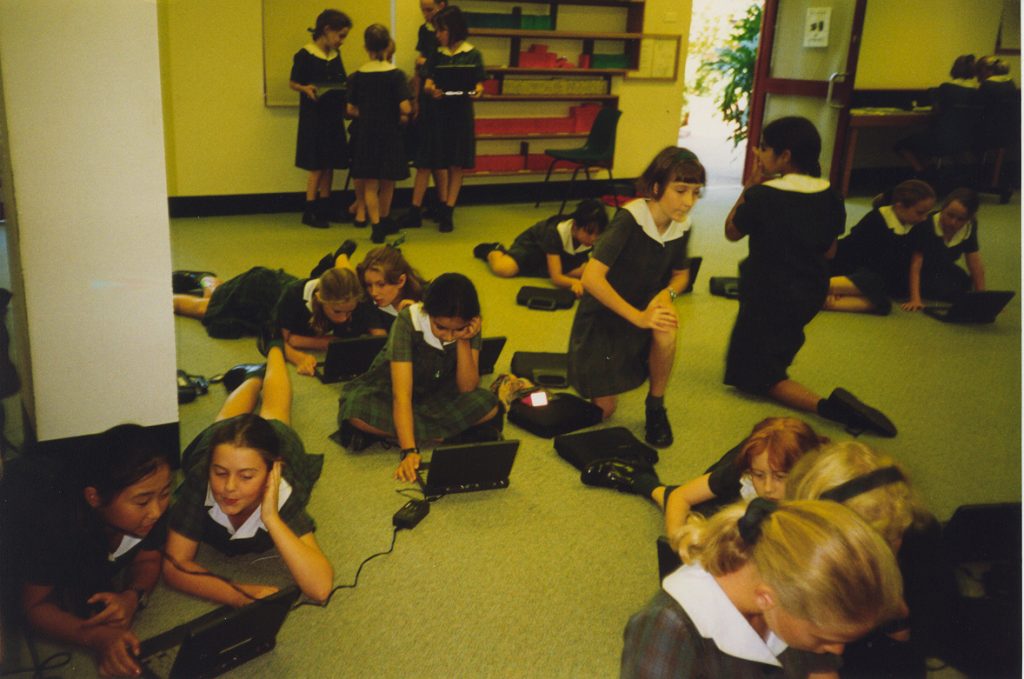
In 1989-90, a girls’ school changed the world when it committed to every student owning a personal laptop computer. Methodist Ladies College, Kew embraced Seymour Papert’s theory of constructionism and focused considerable efforts on computer programming across the curriculum. The school did not just buy hardware and embrace the clerical or drill-and-practice approaches to technology so popular then and today.
Their focus on computational making and project-based learning brought profound changes to school, including timetabling, interdisciplinary curriculum, assessment, teacher development, community education, leadership, and teacher mobility. MLC demonstrated the remarkable capacity, competence, and creativity of children and teachers alike while impacting the computer industry and expanding the aperture on what schools could be and do.
Three Takeaways:
- MLC’s 1:1 computing was cultural recognition, not a pilot – It acknowledged children’s lived experience and the urgency of empowering girls with agency over an increasingly technological world.
- The model represented mature interdisciplinary project-based learning – For a time, MLC was an imagination machine where progressive dreams were realized and a student-centered future was in sight.
- This legacy offers antidotes to current educational challenges – Lessons from this educator-led transformation counter passive tech use, standardized curricula, and explicit direct instruction while addressing concerns about screen time, AI, and schooling’s future viability.
Evidence:
- Seminal documents from the birth of 1:1 computing in Australia, primarily MLC Kew
- Educational Leadership Article from 1995: Laptop Schools Lead the Way in Professional Development
- The Most Important Computer-Using Educator in the World (a profile of Patient Zero – the first teacher in the world teaching a class of girls in which every student had a personal laptop)
- Why Logo? – One Courageous School’s Attempt to Make Learning Personal (1993)
- The Secret Key to Girls and Computer Science
- The Melbourne Museum’s Sunrise Collection (documents from the creation of 1:1 computing in schools)
The following is the paper I presented as a keynote speaker at the 2002 Alliance for Girl Schools Girls and Technology Conference in Melbourne, Australia
About the author
Dr. Gary Stager is a veteran teacher educator with more than four decades of experience helping schools makes sense of an increasingly complex and technologically sophisticated world. He played a substantial role in realizing 1:1 computing in schools, project-based online learning, and the book he coauthored, Invent To Learn: Making Tinkering, and Engineering in Education, has been called “the bible of the maker movement in schools.” That book has now been translated into ten languages. Another of his books, Twenty Things to Do with a Computer Forward 50: Future Visions of Education Inspired by Seymour Papert and Cynthia Solomon’s Seminal Work, features essays by four dozens of the world’s leading thinkers on subjects directly related to a vision of computers as intellectual laboratories and vehicles for self-expression by learners.
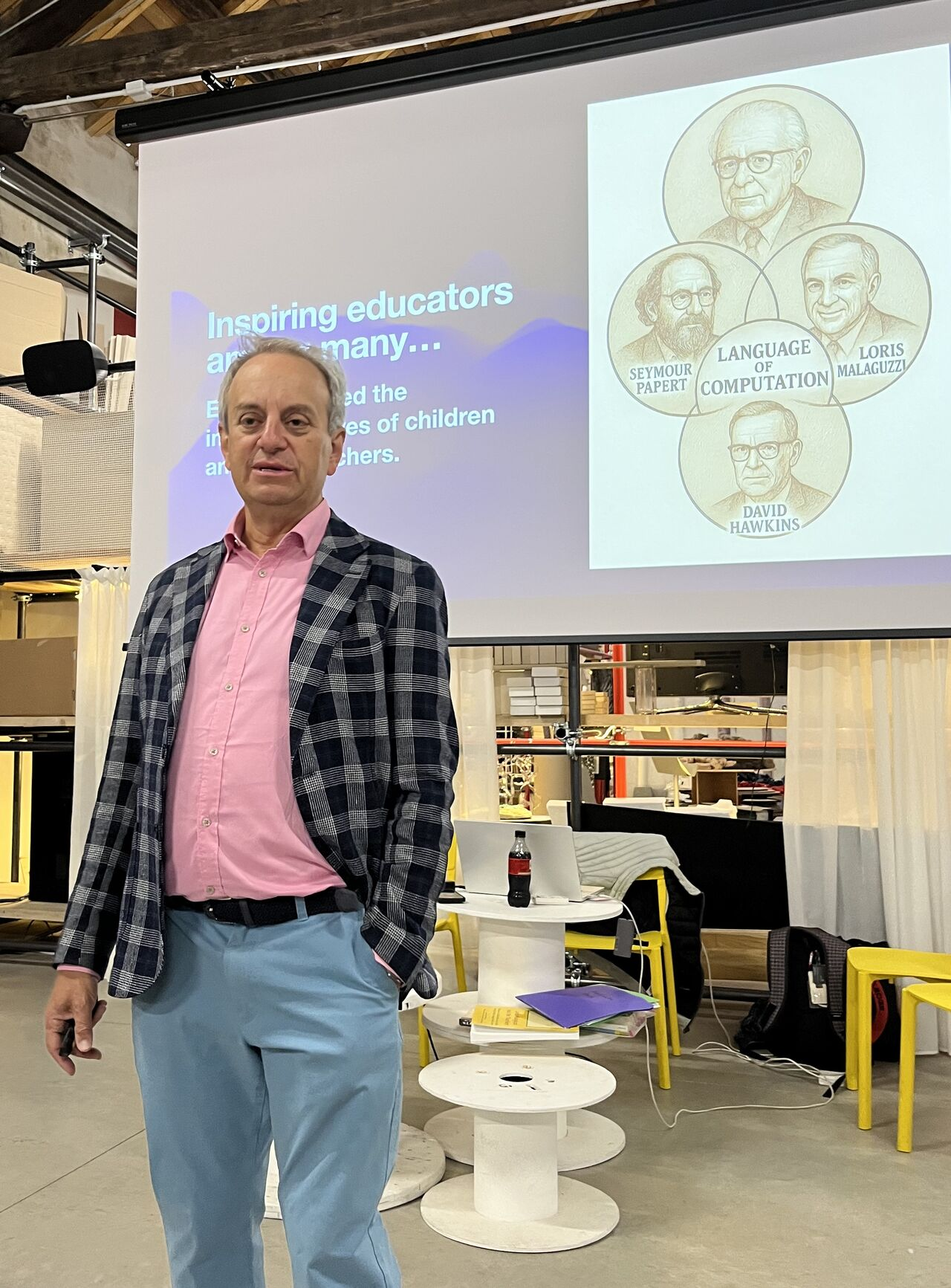
A preschool and primary school teacher by training, Dr. Stager has taught students from preschool through doctoral level. Gary earned his PhD in Science and Mathematics Education at the University of Melbourne and worked closely with the father of educational computing, Dr. Seymour Papert for decades. Dr. Stager is a popular keynote speaker at many of the world’s leading conferences and his most recent project includes a collaboration with the remarkable educators of Reggio Emilia, Italy to create The Language of Computation – Constructing Modern Knowledge in Reggio Emilia.
Learn more about Gary, explore his publications, media appearances, and learn how to collaborate at professorgarystager.com.